Calendar of Events
S Sun
M Mon
T Tue
W Wed
T Thu
F Fri
S Sat
1 event,
1 event,
Monday Night Jams: Acoustic Nite!
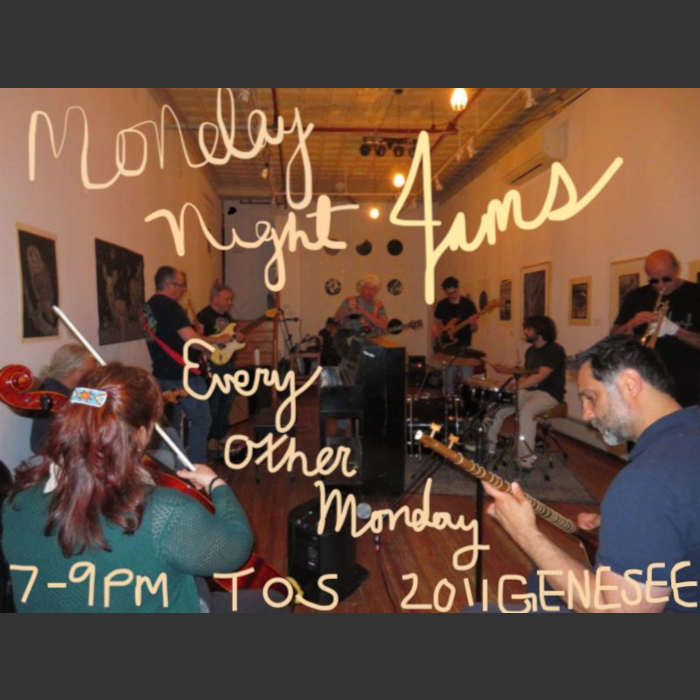
Monday Night Jams: Acoustic Nite!
The Monday Night Jams are a totally improvised, anything goes, live session for musicians of all backgrounds and skill levels. Bring your own gear or pop in to listen. Drums and upright piano are available. Happening every other Monday. Contact Sherman for more details: thesteins3@outlook.com
0 events,
0 events,
0 events,
1 event,
Point of Art – Opening Reception
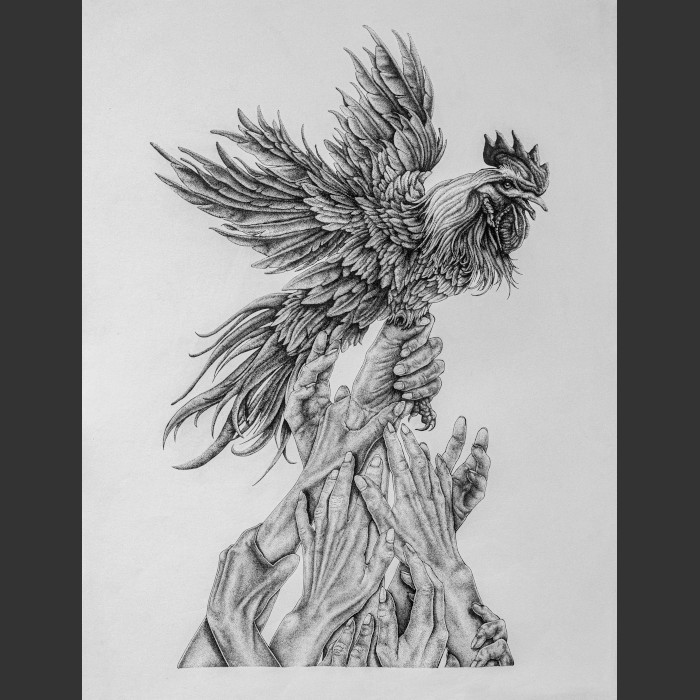
Point of Art – Opening Reception
Misty Macari is a pointillism artist based in Utica NY, known for her intricate animal portraits created using the precise technique of stippling with a .5 mm pen. With each piece, she captures the raw wildness and beauty of nature, focusing on the spirit of her subjects with detail and appreciation for the untamed world […]
1 event,
Point of Art – Gallery Hours (click for all upcoming dates)
Point of Art – Gallery Hours (click for all upcoming dates)
Misty Macari is a pointillism artist based in Utica NY, known for her intricate animal portraits created using the precise technique of stippling with a .5 mm pen. With each piece, she captures the raw wildness and beauty of nature, focusing on the spirit of her subjects with detail and appreciation for the untamed world […]
0 events,
1 event,
1 event,
0 events,
1 event,
Point of Art – Gallery Hours (click for all upcoming dates)
Point of Art – Gallery Hours (click for all upcoming dates)
Misty Macari is a pointillism artist based in Utica NY, known for her intricate animal portraits created using the precise technique of stippling with a .5 mm pen. With each piece, she captures the raw wildness and beauty of nature, focusing on the spirit of her subjects with detail and appreciation for the untamed world […]
1 event,
COAX OUT – LIVE!

COAX OUT – LIVE!
Come experience the wild yet smooooth stylings of a brand new purely original local band - COAX OUT. With a whirlwind improvised performance format, COAX OUT guarantees to bring you on a magic carpet ride of unexpected twists & turns through styles, moods and raw emotions. Critics say it's psychedelic rock but these boys won't […]
1 event,
Point of Art – Gallery Hours (click for all upcoming dates)
Point of Art – Gallery Hours (click for all upcoming dates)
Misty Macari is a pointillism artist based in Utica NY, known for her intricate animal portraits created using the precise technique of stippling with a .5 mm pen. With each piece, she captures the raw wildness and beauty of nature, focusing on the spirit of her subjects with detail and appreciation for the untamed world […]
0 events,
1 event,
Monday Night Jams
Monday Night Jams
The Monday Night Jams are a totally improvised, anything goes, live session for musicians of all backgrounds and skill levels. Bring your own gear or pop in to listen. Drums and upright piano are available. Happening every other Monday. Contact Sherman for more details: thesteins3@outlook.com
0 events,
0 events,
1 event,
Point of Art – Gallery Hours (click for all upcoming dates)
Point of Art – Gallery Hours (click for all upcoming dates)
Misty Macari is a pointillism artist based in Utica NY, known for her intricate animal portraits created using the precise technique of stippling with a .5 mm pen. With each piece, she captures the raw wildness and beauty of nature, focusing on the spirit of her subjects with detail and appreciation for the untamed world […]
0 events,
1 event,
Point of Art – Gallery Hours (click for all upcoming dates)
Point of Art – Gallery Hours (click for all upcoming dates)
Misty Macari is a pointillism artist based in Utica NY, known for her intricate animal portraits created using the precise technique of stippling with a .5 mm pen. With each piece, she captures the raw wildness and beauty of nature, focusing on the spirit of her subjects with detail and appreciation for the untamed world […]
0 events,
1 event,
1 event,
The People’s Readers’ Theatre presents ‘Red’

The People’s Readers’ Theatre presents ‘Red’
We will present John Logan's Red, a short play about the relationship between the artist Rothko and his assistant. We will plan on holding a talkback afterward. This is a budding, community-driven group in which the written text is artistically interpreted and briefly rehearsed with live actors. These texts include, but are not limited to: […]
0 events,
1 event,
Point of Art – Gallery Hours (click for all upcoming dates)
Point of Art – Gallery Hours (click for all upcoming dates)
Misty Macari is a pointillism artist based in Utica NY, known for her intricate animal portraits created using the precise technique of stippling with a .5 mm pen. With each piece, she captures the raw wildness and beauty of nature, focusing on the spirit of her subjects with detail and appreciation for the untamed world […]
0 events,
2 events,
Point of Art – Gallery Hours (click for all upcoming dates)
Point of Art – Gallery Hours (click for all upcoming dates)
Misty Macari is a pointillism artist based in Utica NY, known for her intricate animal portraits created using the precise technique of stippling with a .5 mm pen. With each piece, she captures the raw wildness and beauty of nature, focusing on the spirit of her subjects with detail and appreciation for the untamed world […]
Point of Art – Artist Talk
Point of Art – Artist Talk
Misty Macari is a pointillism artist based in Utica NY, known for her intricate animal portraits created using the precise technique of stippling with a .5 mm pen. With each piece, she captures the raw wildness and beauty of nature, focusing on the spirit of her subjects with detail and appreciation for the untamed world […]
0 events,
1 event,
Monday Night Jams
Monday Night Jams
The Monday Night Jams are a totally improvised, anything goes, live session for musicians of all backgrounds and skill levels. Bring your own gear or pop in to listen. Drums and upright piano are available. Happening every other Monday. Contact Sherman for more details: thesteins3@outlook.com